
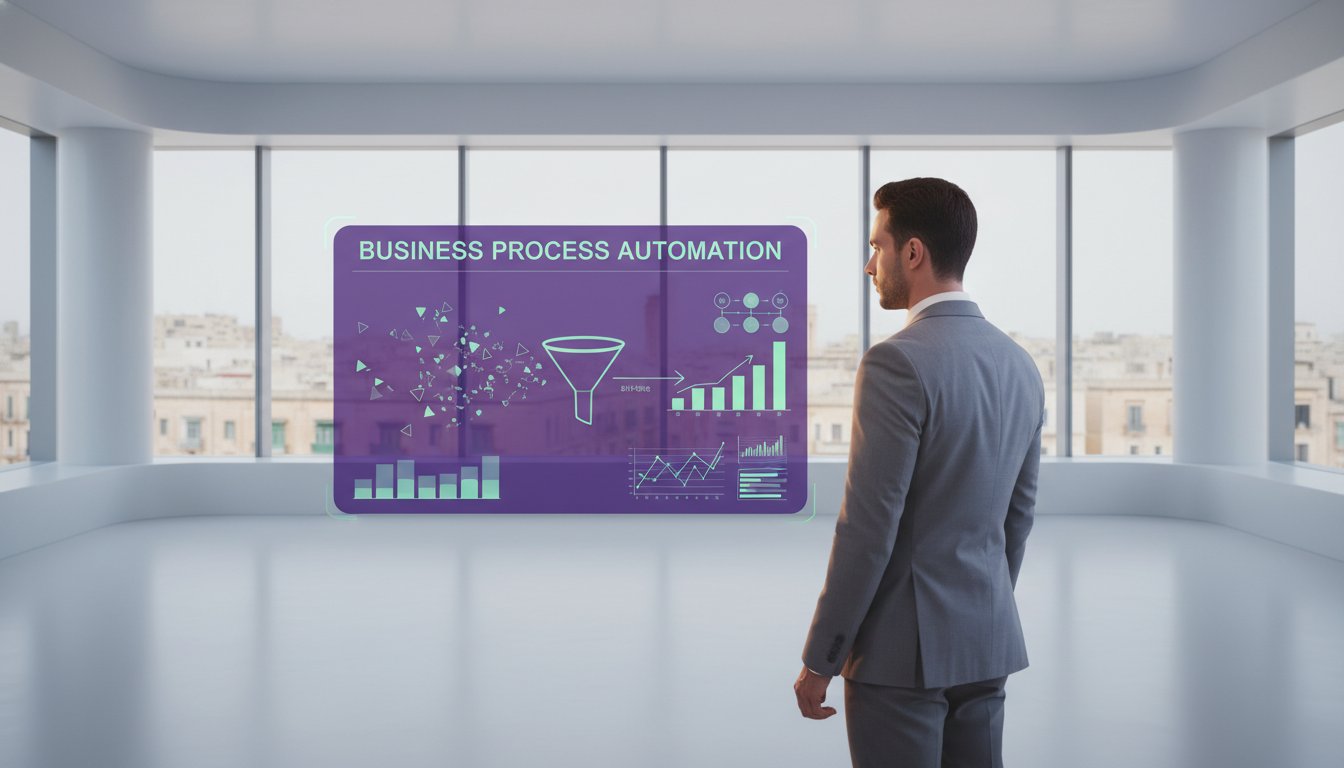
Operational order is the only sustainable foundation for growth in an increasingly regulated economy. Many leaders believe manual oversight ensures control, yet relying on fragmented spreadsheets for payroll and reporting often invites the very errors and compliance risks you aim to avoid. Implementing business process automation malta isn't just about speed; it's about building a digital architecture that restores accountability. You've likely felt the weight of administrative overhead and the frustration of tasks falling through the cracks. This guide provides the strategic framework to replace that complexity with a streamlined, paperless environment.
We'll show you how to eliminate manual bottlenecks and restore clarity to your operations. You'll learn how to leverage 2026 government incentives, including the Digitalise Your SME Grant, to fund your transition with up to 128,400 Euros in support. This guide previews how integrated systems like AuditDAT and TimeDAT provide real-time visibility into your workforce while ensuring you meet local regulatory standards. It's time to stop managing chaos and start mastering your operational environment through purposeful, high-level efficiency.
Key Takeaways
• Define the shift from manual data entry to automated reporting to achieve immediate operational clarity.
• Explore the three core pillars—compliance, workforce, and task management—that sustain a streamlined, paperless office.
• Review industry-specific automation for hospitality and manufacturing to address unique local regulatory and quality control challenges.
• Follow a structured 5-step roadmap for business process automation malta to identify and eliminate administrative bottlenecks.
• Learn how strategic software architecture and modular solutions restore total accountability and real-time visibility across your business.
What is Business Process Automation in the Maltese Context?
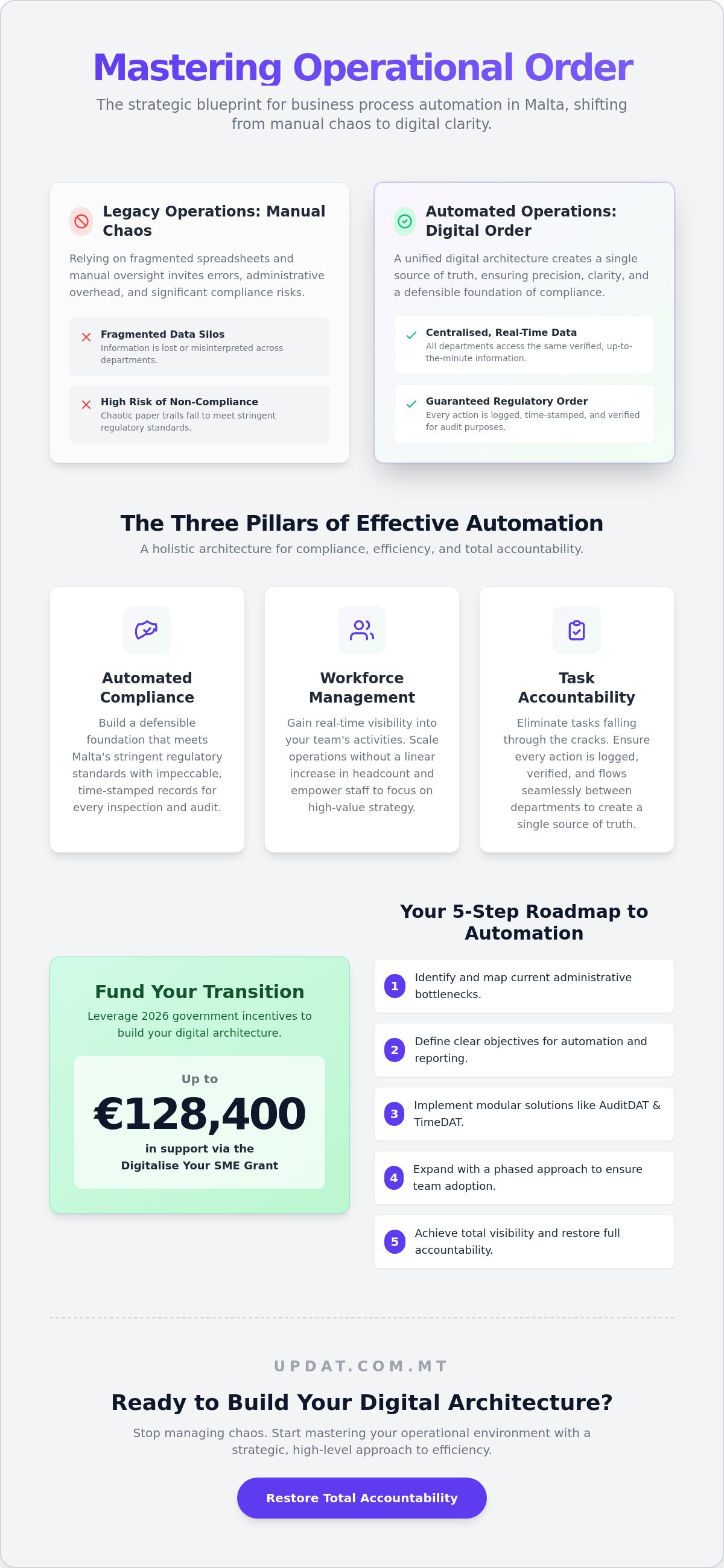
Business Process Automation (BPA) is the strategic use of technology to execute recurring tasks or workflows without manual intervention. In the Maltese commercial landscape of 2026, this has evolved from a competitive advantage into a prerequisite for stability. The era of manual data entry is closing. Modern business process automation malta focuses on converting raw daily activity into actionable, real-time reporting. It's about removing the human error inherent in repetitive administration and replacing it with a digital architecture that functions with absolute precision. This shift addresses the high administrative overhead that once plagued local firms, replacing chaotic paper trails with structured operational order.
Malta's regulatory environment has become increasingly stringent, requiring businesses to maintain impeccable records for compliance, tax, and audit purposes. Traditional paper-heavy operations create dangerous silos where information is easily lost or misinterpreted. Digital order ensures that every action is logged, time-stamped, and verified. This level of transparency isn't just a convenience. It's the standard now expected by authorities and stakeholders alike. By automating these workflows, you don't just save time; you build a defensible foundation of compliance that protects your business from the risks of manual oversight.
The Evolution of Digital Workflows in Malta
Workflows across the islands have moved beyond basic digitisation. We aren't just making digital copies of paper forms anymore. We're building intelligent, integrated business management systems. Cloud-based platforms have rendered legacy on-premise hardware obsolete, offering a level of scalability that locally hosted servers simply cannot match. This evolution is vital given Malta's current labour market challenges. With high demand for skilled professionals, wasting human talent on manual reporting is a strategic error. Effective business process automation malta allows you to scale your operations without a linear increase in headcount. It absorbs the "busy work," allowing your team to focus on high-value strategy and client service.
Why 'Going Paperless' is Only the First Step
Don't confuse a paperless office with an automated one. Scanning a document only changes its format; it doesn't improve the underlying process. True mastery comes from automating the data within those documents so it flows seamlessly between departments. This creates a single source of truth for your entire organisation. It ensures that your payroll, compliance, and management teams are all looking at the same real-time data. This level of precision is the key to operational excellence, turning fragmented departments into a unified, efficient architecture. When your data moves automatically, you gain the clarity needed to make faster, more informed decisions.
Legacy Operations
Fragmented data, manual reporting, and high risk of non-compliance.
Automated Operations
Centralised data, real-time visibility, and guaranteed regulatory order.
The Three Pillars of Effective Business Automation
Operational order is built upon three distinct pillars: Compliance, Workforce Management, and Task Accountability. While some providers focus solely on document digitisation, true business process automation malta requires a more holistic architecture. Simply scanning a file does not improve a workflow; it merely changes the medium. A robust system integrates these three pillars to remove human error from high-stakes environments, ensuring that every action is logged, every employee is accounted for, and every regulation is met with 100% precision. This structured approach allows leaders to master their operational environment by replacing fragmented manual checks with a unified digital foundation.
The beauty of this framework lies in its modularity. You don't need to overhaul your entire organisation overnight. Most successful transitions begin by identifying the most significant bottleneck in one pillar and then expanding as the system demonstrates its utility. This phased implementation ensures that your team adapts to new efficiencies without the friction often associated with massive technological shifts. By focusing on these core areas, you move closer to total operational excellence, where systems work for you rather than the other way around.
Automated Compliance and Inspections
Digital audits are the only way to guarantee 100% adherence to evolving regulatory standards. Manual inspections are prone to bias, lost records, and delayed reporting. By utilising AuditDAT, businesses can perform digital inspections that generate instant, tamper-proof logs. This real-time reporting is essential for effective governance, risk, and compliance. It transforms compliance from a reactive "check-box" exercise into a proactive strategy. When an inspection is digitised, the system ensures that no step is skipped and that all data is immediately available for review or audit by local authorities.
Workforce and Attendance Management
Workforce efficiency is the second pillar, focusing on the precise management of your most valuable asset. Automating payroll through integrated time-tracking eliminates the administrative friction caused by manual rosters and paper timesheets. Systems like TimeDAT provide a single source of truth for attendance data, ensuring that staff scheduling is both accurate and transparent. This level of precision reduces payroll errors and fosters a culture of accountability. When employees know their time is tracked accurately and fairly, it removes the ambiguity that often leads to workplace disputes. You can explore the automation framework to see how these pillars integrate into a single, cohesive dashboard.
The third pillar, Task Management, is handled through ActionDAT. This ensures that responsibilities are clearly assigned and tracked to completion. By automating the distribution and monitoring of tasks, you ensure that nothing falls through the cracks. This digital architecture provides the visibility needed to manage large teams across multiple sites with the same level of control as a single-room office.
Industry-Specific Automation: Solving Local Pain Points
Generic software often fails because it ignores the specific operational nuances of local industries. Strategic business process automation malta requires solutions that understand the difference between a manufacturing floor in Ħal Far and a boutique hotel in Valletta. Each sector faces unique administrative friction that drains time and increases the risk of non-compliance. By tailoring digital architecture to these specific pain points, businesses can transform their operations from reactive firefighting into a steady, reliable foundation for growth. This section explores how automation provides immediate utility across Malta's most demanding sectors.
Hospitality: Mastering Food Safety and Compliance
The hospitality sector operates under intense regulatory scrutiny. Transitioning from paper HACCP logs to digital dashboards removes the risk of lost records or falsified entries. Digital checklists ensure that temperature checks and cleaning schedules are completed at the correct intervals across every outlet. This creates a transparent environment where management can verify compliance from a central location. Digital audits provide an immutable record that prevents costly compliance fines under Maltese health and safety regulations. By automating these recurring logs, staff spend less time on paperwork and more time delivering the high-quality service that defines the local tourism industry.
Manufacturing and Security: Accountability in Real-Time
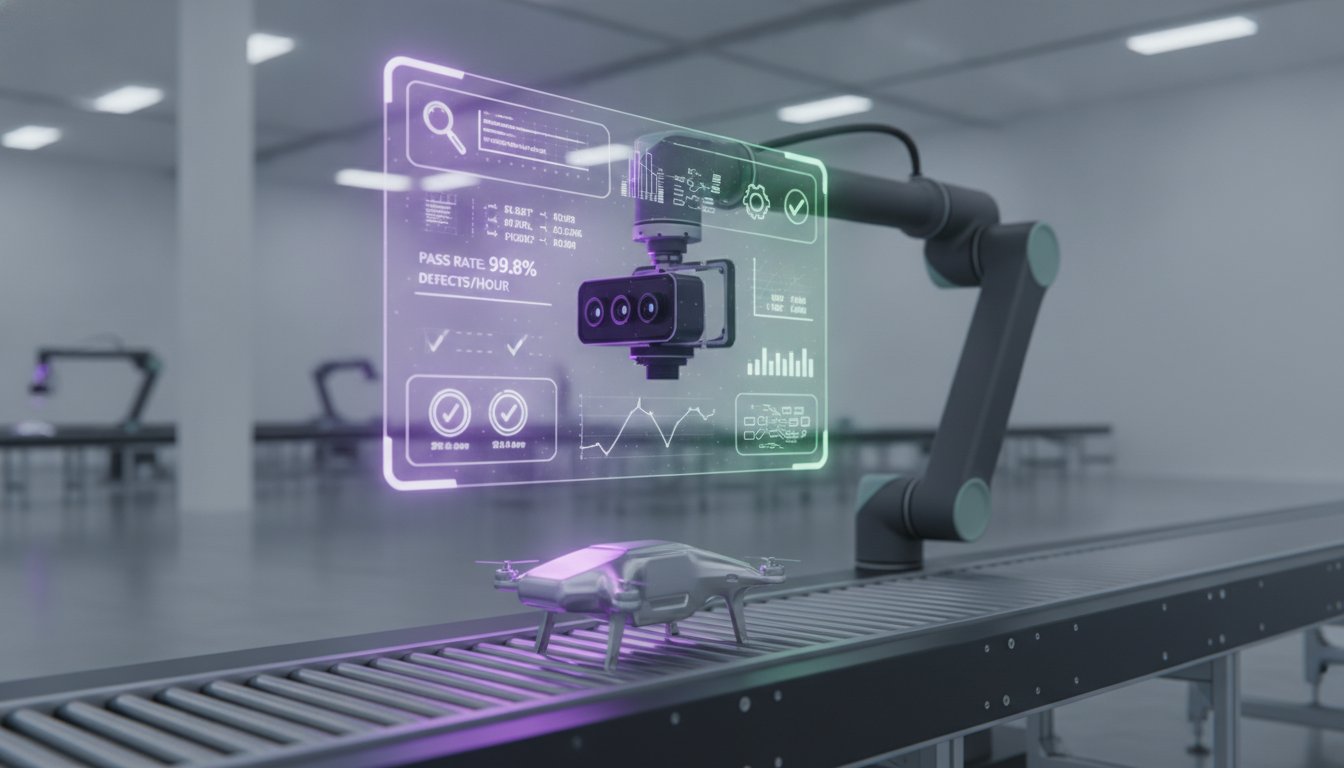
In high-stakes environments like manufacturing and security, accountability is the primary driver of operational order. Manufacturing firms require automated audit trails to track quality control and equipment inspections with total precision. Similarly, security firms benefit from automated patrol tracking. By replacing manual logs with GPS-verified digital reporting, you ensure that patrols are completed exactly as scheduled. This digital architecture allows you to provide clients with immediate, time-stamped proof of service.
For those in facilities management, automation solves the problem of task prioritisation. Systems like ActionDAT ensure that maintenance requests are automatically categorised and assigned based on urgency. This prevents critical repairs from falling through the cracks and ensures that resources are deployed efficiently. You can learn more about automating regulatory compliance to see how these industry-specific tools build a defensible record of operational excellence. Whether you're managing a production line or a commercial complex, real-time data is the key to maintaining control.
A 5-Step Roadmap to Implementing Automation
Transitioning from manual oversight to digital order requires a structured framework. It isn't a matter of simply replacing paper with screens. It's about re-engineering the very architecture of your business. Implementing business process automation malta involves a deliberate shift from fragmented habits to integrated systems. This roadmap ensures that your transition is seamless, modular, and results-oriented. By following these steps, you eliminate the friction of legacy operations while building a scalable foundation for future growth. It is about control. Visibility is the key.
Step 1: Auditing Your Current Manual Processes
Success begins with a clear-eyed assessment of your existing workflows. Identify the manual bottlenecks that drain administrative time and invite human error. Hidden costs often lurk in paper-based administration, including physical storage, printing, and the hours spent manually reconciling data. Map the journey of a single task from its initiation to final completion. This process reveals exactly where accountability slips or delays occur. Prioritise automation for the most high-risk workflows, such as those related to safety compliance or payroll, where precision is non-negotiable. Don't automate a broken process; fix it first.
Step 2: Choosing Between Ready-to-Use and Bespoke Solutions
Selecting the right digital architecture is critical for long-term efficiency. For many, a modular platform like AuditDAT or TimeDAT is the most efficient choice. These solutions offer immediate utility and are designed to handle standard regulatory and workforce requirements with 100% precision. However, if your business logic involves unique complexities that standard platforms cannot address, Bespoke Software Development may be necessary. This path is ideal when you need a system to mirror a highly specialized internal process. The goal is to ensure your solution fits your current needs while allowing for effortless scalability as your operations expand.
Once you've selected your tools, the next steps focus on execution and refinement:
Step 3: Digitise Workflows
Implement your new systems in stages. This allows you to digitise existing workflows without disrupting daily operations. Start with one department and perfect the flow before expanding across the organisation.
Step 4: Empower the Workforce
Train your team to embrace digital empowerment. Shift their focus from manual habits to the mastery of automated systems. Show them how automation removes the burden of repetitive data entry.
Step 5: Monitor and Refine
Use the real-time data output to drive high-level strategic decision-making. Constant monitoring allows you to adjust your digital architecture to meet new challenges.
Mastering your operational environment starts with a single, structured step. You can start your digital transition today by registering for an account and mapping your first automated workflow.
Achieving Strategic Architecture with UPDAT Technologies Ltd.
UPDAT Technologies Ltd. serves as the strategic architect for your digital transformation. We don't just provide software; we restore operational order through a no-nonsense approach that values logic and precision above all else. Implementing business process automation malta shouldn't be a theoretical exercise or a complex burden. It must be a practical, modular transition that delivers immediate utility from day one. Our cloud-based platforms are developed and supported locally, ensuring that your digital architecture remains aligned with both global best practices and specific Maltese regulatory requirements. This local expertise provides a steady, reliable foundation that international providers often lack.
The UPDAT Technologies Ltd. Product Suite: AuditDAT, TimeDAT, and ActionDAT
These tools function as a cohesive ecosystem designed to eliminate administrative complexity at every level of your organisation. AuditDAT handles the rigours of digital inspections and compliance logs, while TimeDAT provides absolute precision in workforce management and payroll reconciliation. ActionDAT completes the architecture by ensuring every task is tracked to completion with full accountability. UPDAT Technologies Ltd. builds these platforms for rapid implementation, allowing you to move from fragmented manual processes to a streamlined digital environment without the friction of long development cycles. We prioritize data security and regulatory compliance, giving you the keys to master your operational environment with total confidence.
Custom Software: Tailored for Unique Maltese Workflows
Standard platforms sometimes reach their limits when faced with highly specific industry logic or non-standard operational requirements. When your business requires a more nuanced approach, our Bespoke Software Development services bridge the gap between off-the-shelf limitations and your actual needs. UPDAT Technologies Ltd. designs custom solutions that mirror your unique internal architecture while maintaining the high-level efficiency and stability of our core products. This ensures that your technology adapts to your business, rather than forcing your team to adapt to rigid software constraints. It's about creating a reliable, adaptable foundation for long-term growth in a competitive market.
Experience the tangible impact of a well-organized digital system by taking the first step toward total clarity. You've seen the roadmap and understood the pillars of digital order. Now, it's time to apply these principles to your own organisation. You can book a discovery demo to see how the tools provided by UPDAT Technologies Ltd. can restore order to your specific workflows and eliminate the administrative overhead holding you back.
Master Your Operational Environment
Operational order is the only sustainable path forward in a 2026 economy defined by digital transparency. You've explored how fragmented manual habits invite regulatory risk and drain human potential. By partnering with UPDAT Technologies Ltd. to implement business process automation malta, you replace that complexity with a streamlined, paperless architecture. Our Maltese-developed platforms ensure total compliance with local standards, while modular tools like AuditDAT and TimeDAT provide a rapid ROI by eliminating administrative friction. Whether your growth requires ready-to-use solutions or expert bespoke software development for complex operations, the result is a defensible foundation of accountability.
The journey from manual chaos to strategic mastery begins with a single step. Book a Discovery Demo to Automate Your Workflows and witness the impact of a system designed for precision. The architecture you build today determines your capacity for growth tomorrow. Let UPDAT Technologies Ltd. provide the steady, reliable foundation your long-term success requires.
Frequently Asked Questions
What are the primary benefits of business process automation in Malta?
Business process automation malta restores operational order by removing administrative complexity and ensuring compliance with local regulations. It eliminates manual errors in payroll and reporting; this allows leaders to focus on high-level strategy. You gain real-time visibility into task completion and workforce productivity across multiple sites. This digital architecture provides the stability needed for long-term growth without a linear increase in headcount.
How long does it take to implement an automated audit system?
Modular platforms like AuditDAT can typically be operational within a few weeks. The exact timeline depends on the complexity of your checklists and the volume of data you need to migrate. Because these systems are cloud-based, they don't require extensive hardware installations. This allows your team to transition to digital inspections quickly, ensuring you see a rapid return on investment without disrupting your daily operations.
Can business automation software help with GDPR compliance in Malta?
Automation ensures that your data is handled within a secure digital architecture that aligns with GDPR requirements. Systems like AuditDAT and TimeDAT provide immutable audit trails and time-stamped logs. These logs make it easy to prove compliance during official inspections. Centralising your information eliminates the risks associated with fragmented paper records and insecure spreadsheets, ensuring that your data management remains fluid and defensible.
Is custom software development better than ready-to-use automation platforms?
The choice between ready-to-use platforms and custom builds depends on your specific business logic. Ready-to-use tools like TimeDAT offer rapid implementation for standard workforce and attendance needs. However, Bespoke Software Development is essential for industries with non-standard requirements that standard software cannot address. We bridge this gap by designing custom systems that mirror your unique internal architecture while maintaining high-level efficiency.
How does automation reduce administrative costs for Maltese SMEs?
Automation lowers costs by removing the hidden overhead of manual data entry and physical storage. For SMEs, using business process automation malta means scaling your operations without hiring more administrative staff. It frees up your team for high-value strategic work rather than repetitive filing. This efficiency lowers the cost per transaction and improves your overall business fluidity, making your organisation more competitive and agile.
What industries in Malta benefit most from workflow digitisation?
Sectors with high regulatory pressure, such as hospitality, manufacturing, and security, benefit most from digitisation. Hospitality firms use digital HACCP logs to master food safety, while manufacturing plants rely on automated audit trails for quality control. Any industry that requires precise time-tracking and high levels of task accountability will see a significant restoration of order through the implementation of integrated digital systems.





%201.svg)
